
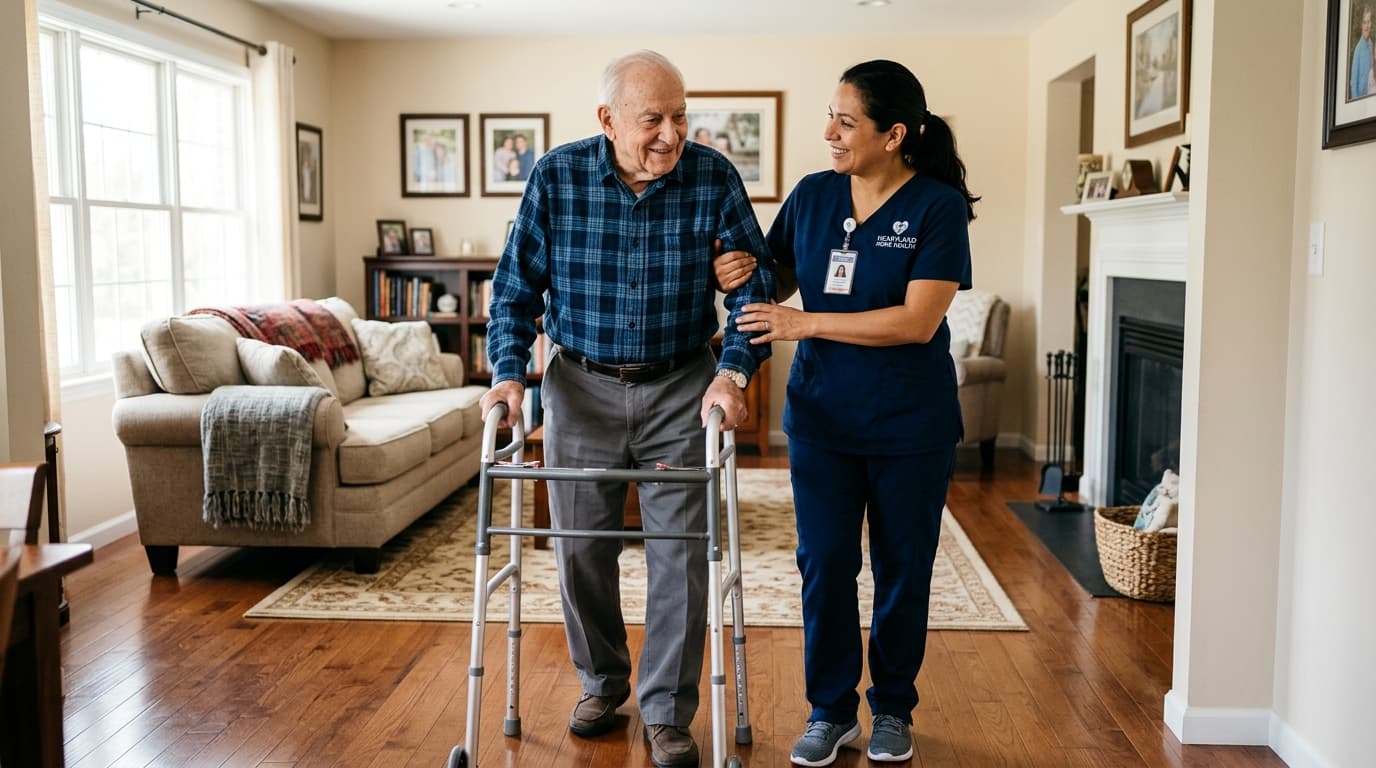
Bringing an aging parent home after a hospitalization—whether for surgery, cardiac recovery, pneumonia, or a fall—is both a relief and a major source of anxiety for families across Pennsylvania. Nationally, nearly one in five Medicare patients is readmitted within 30 days of discharge. In Pennsylvania, studies indicate that over 75% of these readmissions stem from preventable challenges: unmanaged medications, missed physician follow-ups, lack of physical support, and sudden caregiver fatigue.
The Critical 30-Day Recovery Window
The first 72 hours after leaving the hospital are the most vulnerable. Seniors are often disoriented, weak from extended bed rest, and adapting to multiple new prescriptions. Having a structured transitional home care plan dramatically lowers readmission risk, restores physical independence, and protects family members from burnout.
"A successful discharge is never an event that happens at the hospital door—it is an ongoing process of safety, nourishment, medication oversight, and compassionate companionship that begins the moment your loved one steps back inside their home."
10-Step Safe Transition Checklist for Pennsylvania Families
1. Request a Comprehensive Discharge Summary
Before leaving the hospital or rehabilitation facility, sit down with the attending discharge planner or social worker. Make sure you have a printed, legible discharge summary detailing the diagnosis, functional restrictions (such as weight-bearing limits), wound care protocols, and dietary requirements.
2. Perform Immediate Medication Reconciliation
Hospital stays frequently result in changes to existing medication regimens. Old medications may be discontinued, dosages altered, or temporary antibiotics and blood thinners introduced. Have your discharge nurse or home care coordinator cross-reference every bottle against the hospital orders to eliminate duplicate dosages or hazardous drug interactions.
3. Prepare the Home Environment for Fall Prevention
Falls are the leading cause of hospital readmissions among seniors. Before your parent arrives home:
- Clear pathways of clutter, electrical cords, and throw rugs.
- Ensure bright lighting throughout hallways, stairs, and the path to the bathroom.
- Install secure grab bars inside the shower and beside the toilet.
- Set up a main-floor sleeping area if navigating stairs is unsafe during early recovery.
4. Schedule Follow-Up Physician Appointments Early
Ensure a follow-up appointment with your loved one's primary care physician is scheduled within 7 to 10 days of discharge. Transportation can be difficult for recovering seniors; professional caregivers from Pavan Homecare can provide safe, door-to-door escorting to ensure these vital checkups are never missed.
5. Arrange Non-Medical Transitional Home Care
While Medicare home health may cover intermittent nurse visits or physical therapy for 30–45 minutes a few times a week, they do not provide hands-on help with daily activities. A licensed non-medical home care agency like Pavan Homecare bridges the gap by providing 4 to 24-hour support for personal care, bathing, meal preparation, mobility transfers, and medication reminders.
6. Hydration and Healing Nutrition
Appetite often decreases following illness or surgery. Adequate protein and continuous hydration are critical for wound healing, tissue repair, and preventing urinary tract infections (UTIs) that frequently trigger confusion and delirium in elderly adults.
7. Understand PA Medicaid Waiver and Insurance Benefits
Did you know Pennsylvania's Community HealthChoices (CHC) Medicaid Waiver covers 100% of approved in-home caregiving hours for eligible seniors? Veterans may also access the VA Aid & Attendance pension. Pavan Homecare provides complimentary benefit assessments to help families secure covered care hours without delay.
8. Monitor for Early Warning Signs
Educate everyone involved in care on red flag symptoms: sudden shortness of breath, unexplained fever, sudden confusion, reduced mobility, or swelling in lower extremities. Catching subtle changes early allows your care team to intervene before an emergency room visit becomes necessary.
9. Protect Family Caregiver Well-Being
Caring around the clock for a recovering parent leads to physical exhaustion. Schedule respite care support so family members can rest, maintain their careers, and recharge emotionally.
10. Partner with a Licensed, Compassionate Agency
Transitioning from hospital to home doesn't have to be overwhelming. Having vetted, compassionate caregivers gives families peace of mind knowing that their parent is safe, respected, and thriving in the comfort of home.
How Pavan Homecare Supports Your Family
At Pavan Homecare, our specialized transitional care team coordinates directly with hospital case managers, discharge planners, and physicians across Bucks, Philadelphia, Montgomery, Delaware, Chester, and surrounding PA counties. Contact our clinical care team at (215) 436-9499 or submit an online request for a free in-home assessment today.
Have questions about in-home care?
Our care coordinators are here to assist with assessments, Medicaid waivers, and custom schedules.